ASD Conference 2026 Hungary
June 1–6, 2026 • Hotel Marina-Port • Balatonkenese
From 14:00 today the Host Group welcomes everyone at the reception — conference check-in, your welcome pack, and a quick look over your details. Already arrived earlier? Please come by then too!
„Here I am
facing
light and shadow"
Watch the venue — Hotel Marina-Port 2-minute aerial tour of Balatonkenese
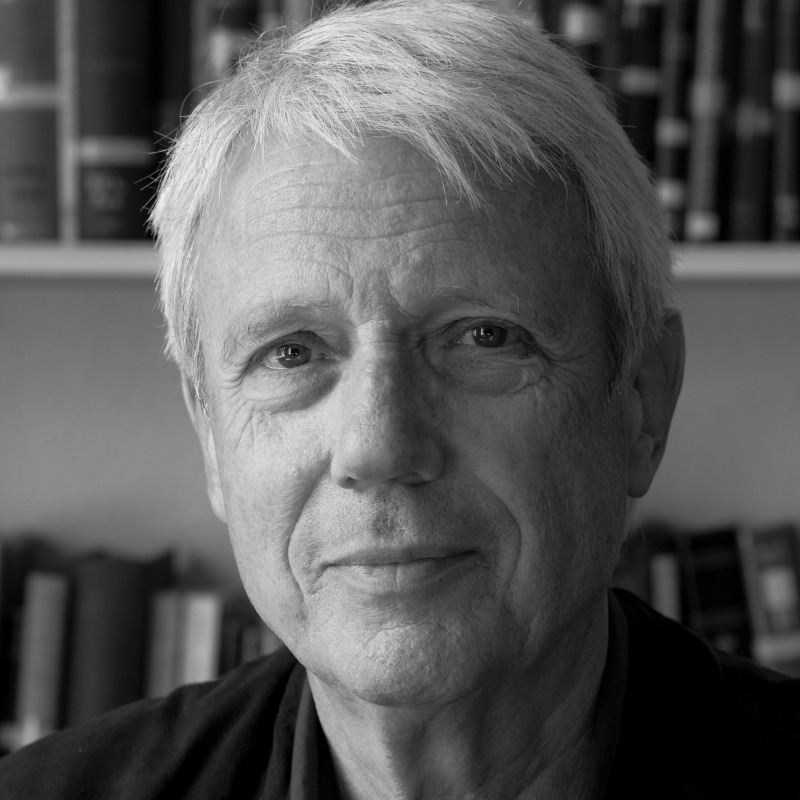
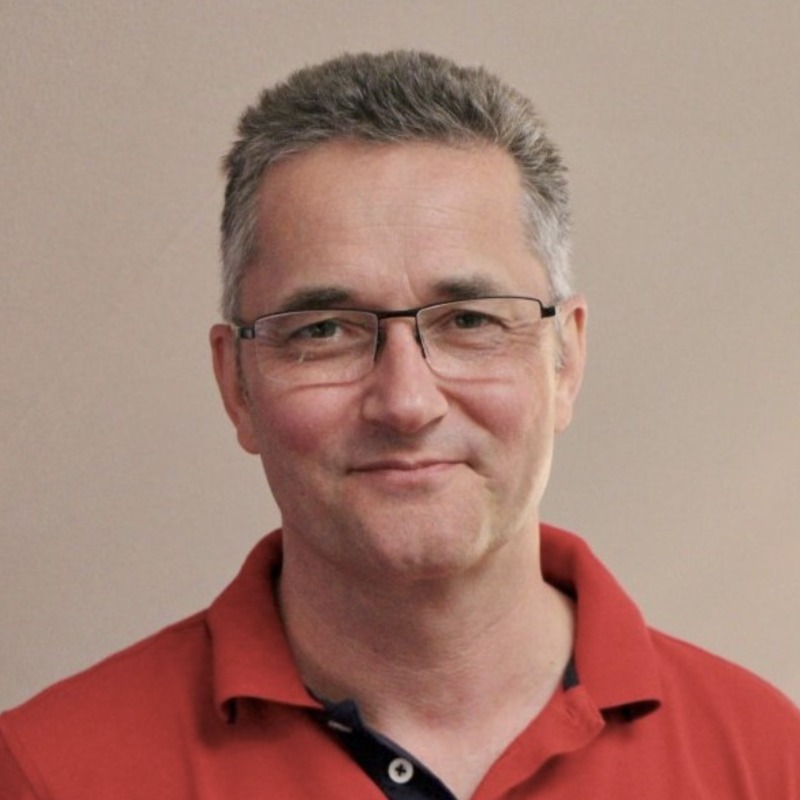
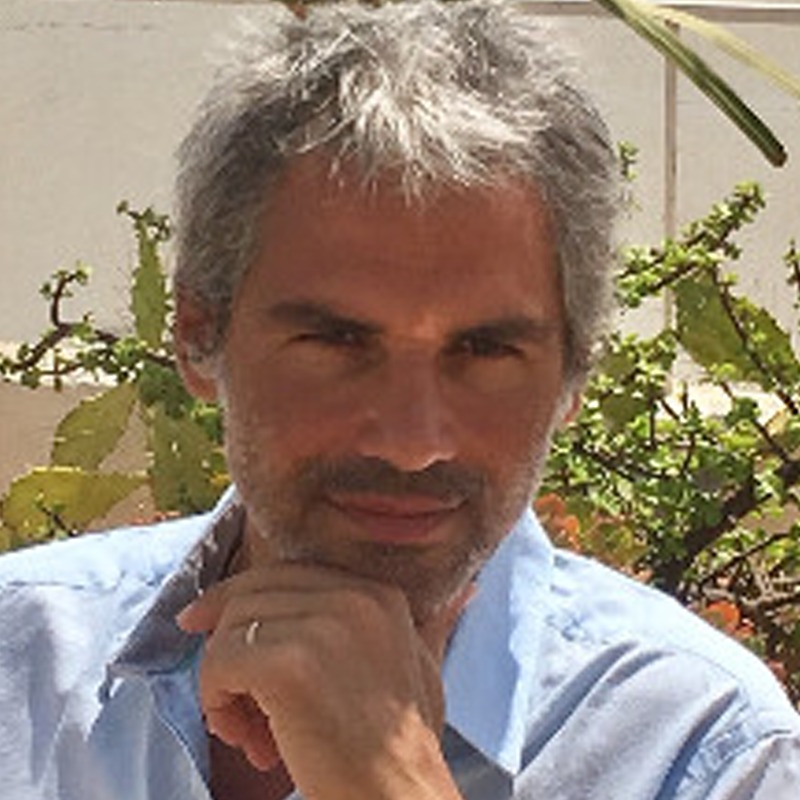
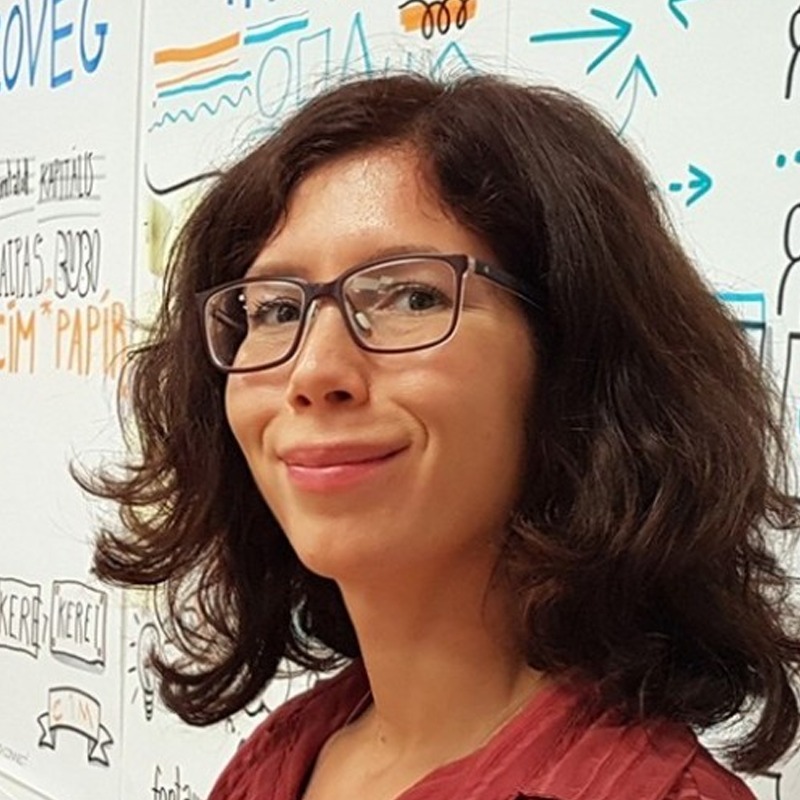
Meet the Participants





The Programme
A Week of Inner and Shared Work
The conference programme has been carefully shaped by the FG (Facilitating Group) to weave together contemplative morning work, artistic activities, plenary conversations, parallel workshops, and evenings of encounter. Pick a day below — or open the full visual grid.
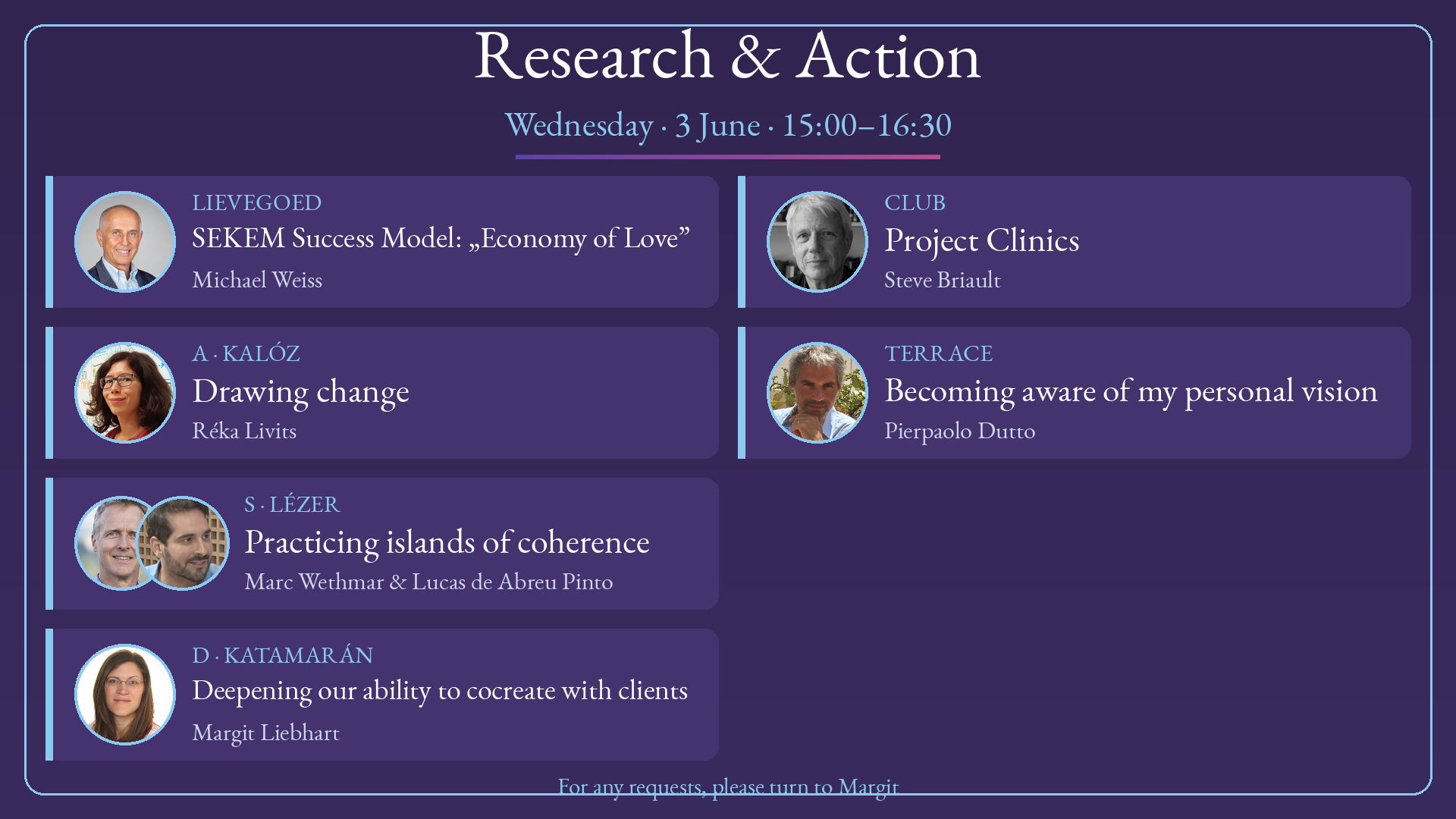
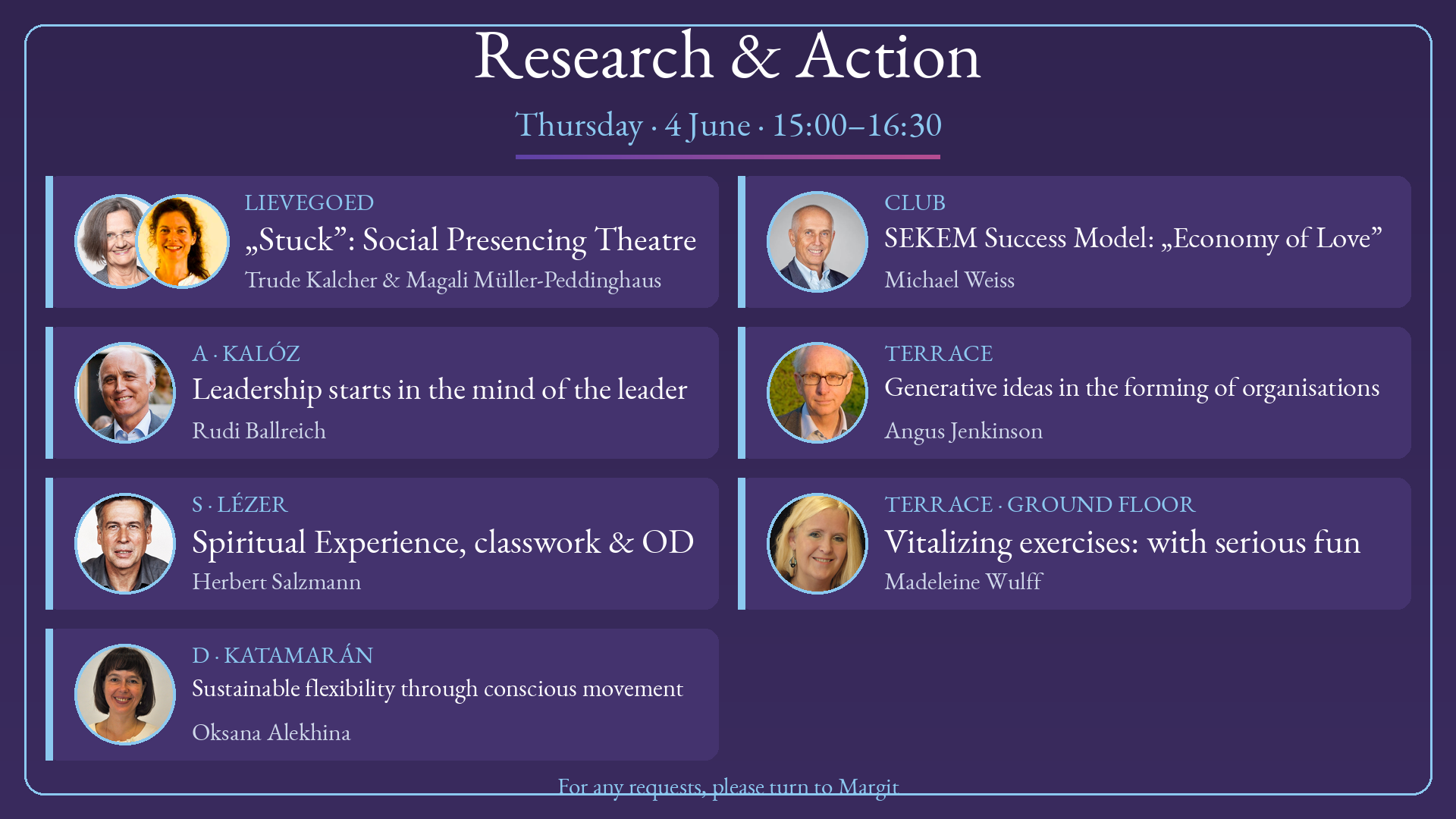
🔬 Research & Action: the afternoon sessions
Wednesday to Friday, 15:00–16:30, in up to seven parallel rooms. See the current plan for all three afternoons — every room, every session, with who is holding it.
See the R&A sessionsRooms & Spaces
Every session room shares the same default setup: 16 chairs in a circle (with 10 spare stacking stools), a few tables along the wall, a flipchart with paper and markers, and a projector — plus a small table for the centre where one is available. We bring the centre ourselves. Where a room needs a different arrangement, it is flagged separately.
The Spring Report from the FG contains a deeper introduction to the theme, a historical interview with Bernard Lievegoed from 1983, news about a new FG member, and a first look at the 2027 conference venue in Brazil.
📄 FG Spring Report 2026
Read the full Spring Report from the Facilitating Group for background on the theme, the programme, our guest speakers, and news from the ASD community.
Read the Spring ReportGuest Speakers
Tuesday · past — tap to open
Two voices have shaped the Lievegoed impulse in Hungary. One carries the memory of how it began. The other shows where it has grown into living practice.
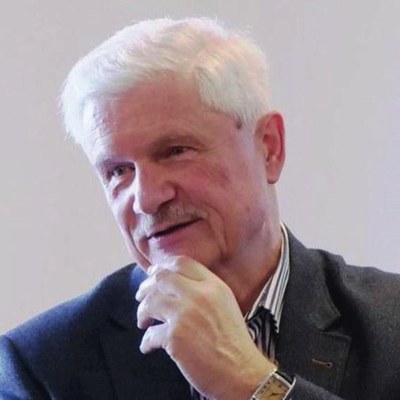
The Lievegoed Impulse in Hungary
From the mid-1990s, Péter brought the Lievegoed impulse into Hungarian soil — first by inviting Lex Bos, Coenraad van Houten, Christopher Schaefer, Lauri Salonen, and Hermann Seiberth, then through his own books and teaching. More than a thousand people have since stepped into this work.
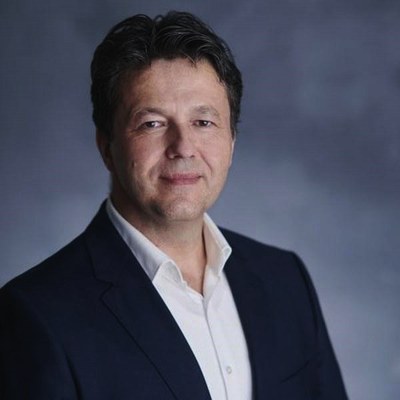
Commitment to Change
For more than two decades, Előd's company has been a living laboratory for the Lievegoed approach. Twenty years of conscious, committed practice — the stages, the challenges, the fruits — distilled into one talk.
Open Space Contributors
Tuesday · past — tap to open
On Tuesday the field opens twice. Two Open Space rounds, five parallel stations each — Hungarian voices offering their own work as doorways into the social, the artistic, the educational, the spiritual. Sit where you are called; what you miss stays alive for another time.
The Lievegoed Impulse in Hungary — Origins, Development, and Living Legacy
Péter reflects on the emergence and development of the Lievegoed impulse in Hungary — from its earliest seeds to the living community it has become — and the broader social impulse of anthroposophy that connects us all.
About the contributor
Péter introduced the Lievegoed impulse to Hungary and played a decisive role in its early development. From the mid-1990s he worked closely with Lex Bos, who visited Hungary on eight occasions to offer lectures and training programmes. He also invited leading figures of the NPI/ASD/NALM network — Coenraad van Houten, Christopher Schaefer, Lauri Salonen, and Hermann Seiberth — all of whom contributed to the impulse's growth through repeated visits. From 2003 onwards, Péter began articulating the social impulse of anthroposophy through his own teaching, books and writings. This work has grown into a vibrant Hungarian consulting community, with more than a thousand participants completing various training programmes and a tangible impact on numerous companies and Waldorf schools. He currently serves as a representative of the Hungarian Anthroposophical Society.
Supported by Enterprise Group Technologies · enterprisegroup.hu
Commitment to Change — Key Stages of Organic Development
Using his own company as a case example, Előd traces the journey of applying the Lievegoed impulse in a real business context — the developmental stages, the challenges, and the fruits of twenty years of conscious collaboration.
About the contributor
Előd is the founding owner of Enterprise Group Technologies, a group of companies that has served as a pioneering example of organic organisational development in practice. Over more than two decades it has functioned as a living laboratory for applying and evolving the Lievegoed approach. Előd actively carries this impulse forward, sharing his experience with other leaders through various management forums and clubs.
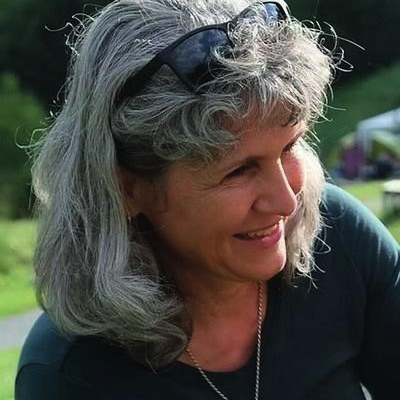
Teaching Teachers — Aspirations in Adult Education aligned with the Zeitgeist
What does it mean to educate adults in a way that truly meets the spirit of our time? Drawing on her experiences in teacher training, Katalin shares insights and approaches that respond to the deeper questions of our age.
About the contributor
Katalin took part in founding the Waldorf kindergarten and school in Vác, and the Göllner Mária Regional Waldorf Upper School. With over twenty years of experience spanning class teaching, subject teaching, school governance, and board-level stewardship, she is an active participant in both the Hungarian and international Waldorf movement.
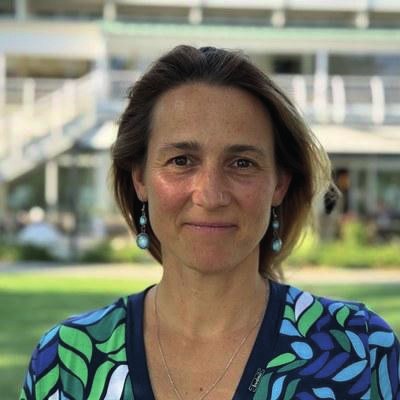
"Rise up, Magyar!" — Finding the Centre in the Heart of Europe
A movement-based exploration of what it means to find one's centre — personally, nationally, spiritually. Through Bothmer Gymnastics, Genovéva invites us to experience what rising up and finding the middle means in this time.
About the contributor
Genovéva is a Bothmer Gymnastics teacher at a Waldorf school in Budapest and a trainer on the Hungarian Bothmer course. Through movement, she helps people find their inner centre and connect to the spiritual world — keeping balance and filling the space around us with life.

Public Speaking — A New Entry Point for Threefolding in Companies
Public speaking as a developmental practice — and an unexpected doorway into the social threefolding impulse within organisations. How working consciously with speech opens new possibilities for transformation.
About the contributor
Mária is a teacher of speech and drama — a discipline she describes as the origin point of her life, around which she runs ever-wider circles. Her key themes include rhetoric, Waldorf pedagogy as education and self-education, and the quality of presence on stage and in everyday existence. She believes in the power, effectiveness and beauty of the Word — and that all of it can be learned. In 2020, following a scholarly adventure, she completed her doctorate through the analysis of professional biographies. Her deepest resource is anthroposophy: a path she strives to walk in everyday life, in education, and in research alike.


The Biography of Biographical Work in Hungary
A reflective journey through the living history of biographical work in Hungary — how it arrived, took root, and evolved within the consulting community over the past two decades, and what it asks of us now.
About the contributor
Ágoston's primary focus is Biography Work, which he studied in both the West and the East. Formerly active as a development consultant and in project management, he brings 25 years of leadership experience across the private, civil and public sectors, in Hungary and internationally. Andi channelled her experience in business management consulting into founding a Waldorf school, and through this community-building process gained a deeper understanding of anthroposophy. This led her to Biography Work, which she has practised since 2017, leading both individual biographical sessions and workshops. She is personally interested in how the biography of a person and the biography of an organisation can be connected.

Let Us Sing Together! — Hungarian Music and the Folk Soul
An invitation into the living stream of Hungarian folk and choral music — and what it reveals about the soul of a people. Through singing together, Júlia guides participants into a practice of community, encounter, and shared belonging.
About the contributor
Júlia is a music teacher in a Waldorf school and a trainer at the Waldorf Pedagogical Institute. She has studied community mediation and organisational development. For Júlia, music is both an opportunity and a tool for bringing people together, working collaboratively, and building community.
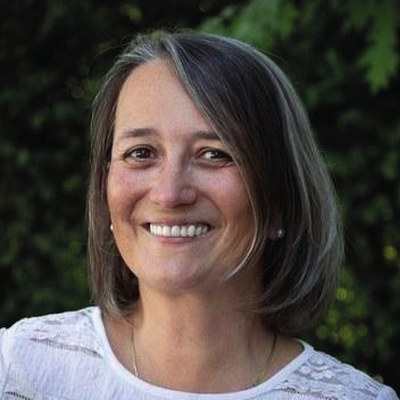
The Fruitful Encounter of Ways to Quality and the Lievegoed Impulse
A quality-management system rooted in Steiner's twelve formative forces — first developed for social-therapy institutions and Waldorf schools — meets the Lievegoed impulse at the Jövőképző. Let us discover together what this living alliance can bring.
About the contributor
By training a teacher, Andi has always been found by organisational and leadership challenges. She brings more than twenty years of leadership experience in Waldorf institutions, along with a persistent question: how can a self-governing organisation truly be led well? Twenty-five years ago, her first encounter with the Ways to Quality approach revealed something genuinely original and future-oriented. Since then she has been researching and sharing it — convinced that understanding the forces, laws and relationships at work in the social sphere is essential to building a healthy organisational culture.

"Go to the Wolfnest!" — Organisational Questions within the Hungarian Police
An extraordinary case study in bringing organisational development questions into one of Hungary's largest public institutions — working with structure, hierarchy, and culture in a uniquely challenging environment.
About the contributor
Krisztina is Head of the OrgDev Division at the Hungarian National Police, where she leads change-management initiatives and introduces organisational development interventions to transform leadership culture. A certified coach, keynote speaker and OD specialist, she is passionate about helping people, teams and organisations grow — believing that change is possible at any age when met with meaningful goals.
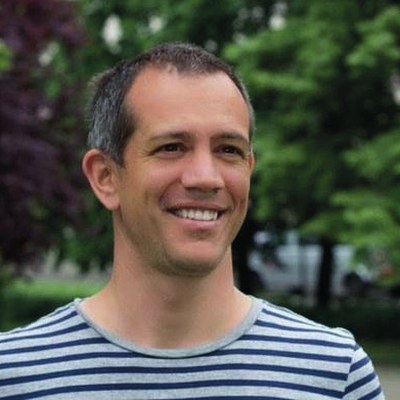
AtlasPlatform: A World-Class Initiative — A Door to the World
An introduction to AtlasPlatform — a pioneering initiative born from the Lievegoed impulse in Hungary that opens new pathways for connecting communities and sharing knowledge across cultures and organisations worldwide.
About the contributor
Szabolcs is an anthroposophist organisational developer working with companies, non-profit organisations and Waldorf schools. He draws on Biography, Theory U, Art of Hosting, Mediation and many other methods in his facilitation and consulting work.
Budapest Biography Sightseeing
Discover Budapest through an Anthroposophical Lens
After the conference, we offer a series of guided tours in Budapest – each one a journey into the city's deeper layers. These are not ordinary sightseeing walks: through monuments, geology, energy landscapes, and sacred history, we explore what freedom, destiny, and memory mean in the life of a city and in our own lives. The tours are led by Eszter, Kata, Kriszta, Ágoston, and Tamás.
Watch the Budapest tour preview A glimpse of the city through an anthroposophical lens
Afternoon – Szabadság tér & Parliament
16:00–18:00 · one of two parallel tours
A walking tour through one of downtown Pest's most remarkable squares, where monuments and buildings carry histories that speak directly to the theme of freedom. The walk concludes at the Parliament building.
- Bus departs from Hotel Marina-Port at 14:00 (after lunch)
- Arrival in Budapest ~16:00
Afternoon – Geology & biography
16:00–18:00 · one of two parallel tours
Led by Ágoston Nagy. We explore Budapest's geological bedrock and how the city's physical foundations have shaped its history – and seek parallels with our own personal lives.
- Bus departs from Hotel Marina-Port at 14:00 (after lunch)
- Arrival in Budapest ~16:00
Morning – Geomantic walk
11:00–13:00
Through our living connection to Budapest, we seek traces of a forgotten knowledge describing the energy systems permeating the human body and the Earth's landscapes.
- Bus departs from Balatonkenese at 09:00
Afternoon – Dohány Street Synagogue
14:00–16:00
A guided visit to the largest synagogue in Europe and the second largest in the world – followed by an informal conversation reflecting on the history of this place and the story of Hungarian Jewry.
- After lunch in Budapest
📋 Full Sightseeing Programme
Download the detailed programme with all tour descriptions, schedules and practical information.
Download Sightseeing ProgrammeCultural Evening — Hungarian Folk Music & Dance
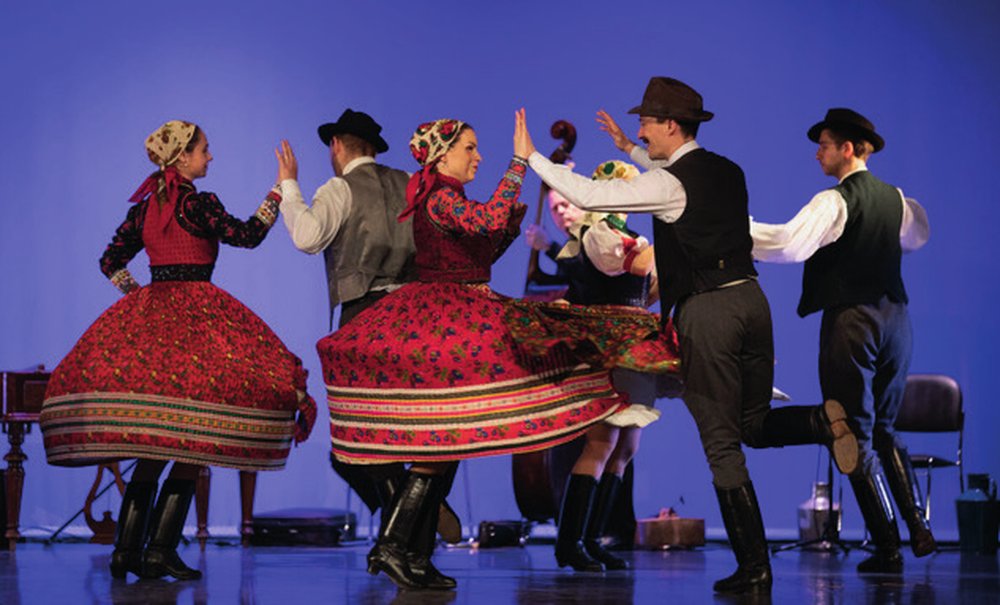
Hungarian folk dance is not a performance. It is a conversation in motion. We are invited to step into it — not just to watch.
"By folk dance, we mean the traditional dances of a given country that have developed naturally and spontaneously through the daily activities and experiences of the people who created them."
Associate Professor at the Hungarian University of Dance. Since childhood, Hungarian folk dance has been at the centre of his life — he performs it, researches it, teaches it, and carries it to wider audiences.
Founded in Vác in 2012. Self-taught adults in their 20s, 30s, 40s, and 50s, brought together by the love of dance and the joy of dancing together.
Strings, bow, breath. The unmistakable sound of Hungarian folk music — because the dance only lives as long as the music breathes.
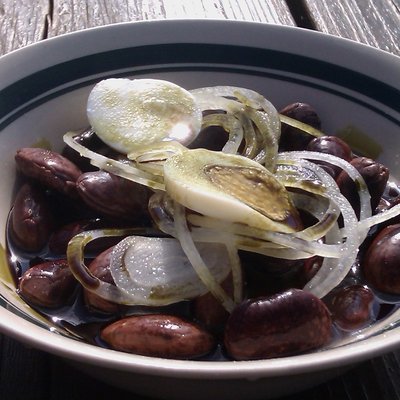
Social Evening – A Taste of Our Countries






Letters from the Host Group
The Hungarian Host Group has written a series of letters to introduce themselves, the land, and the deeper layers of meaning connected to this conference. These letters are an invitation to prepare inwardly for what awaits.
Letter to the FG – Coming to Hungary
This letter was written for the FG as they arrived in Balatonkenese for their autumn meeting, to offer orientation to the land they were entering and to support them in shaping the conference theme.
Read Letter
HG Letter 01 – Who we are
In the first letter, we introduced the Hungarian Host Group – who we are, how we are connected to this work, and with what inner intentions and responsibilities we have taken on the task of hosting the conference.
Read Letter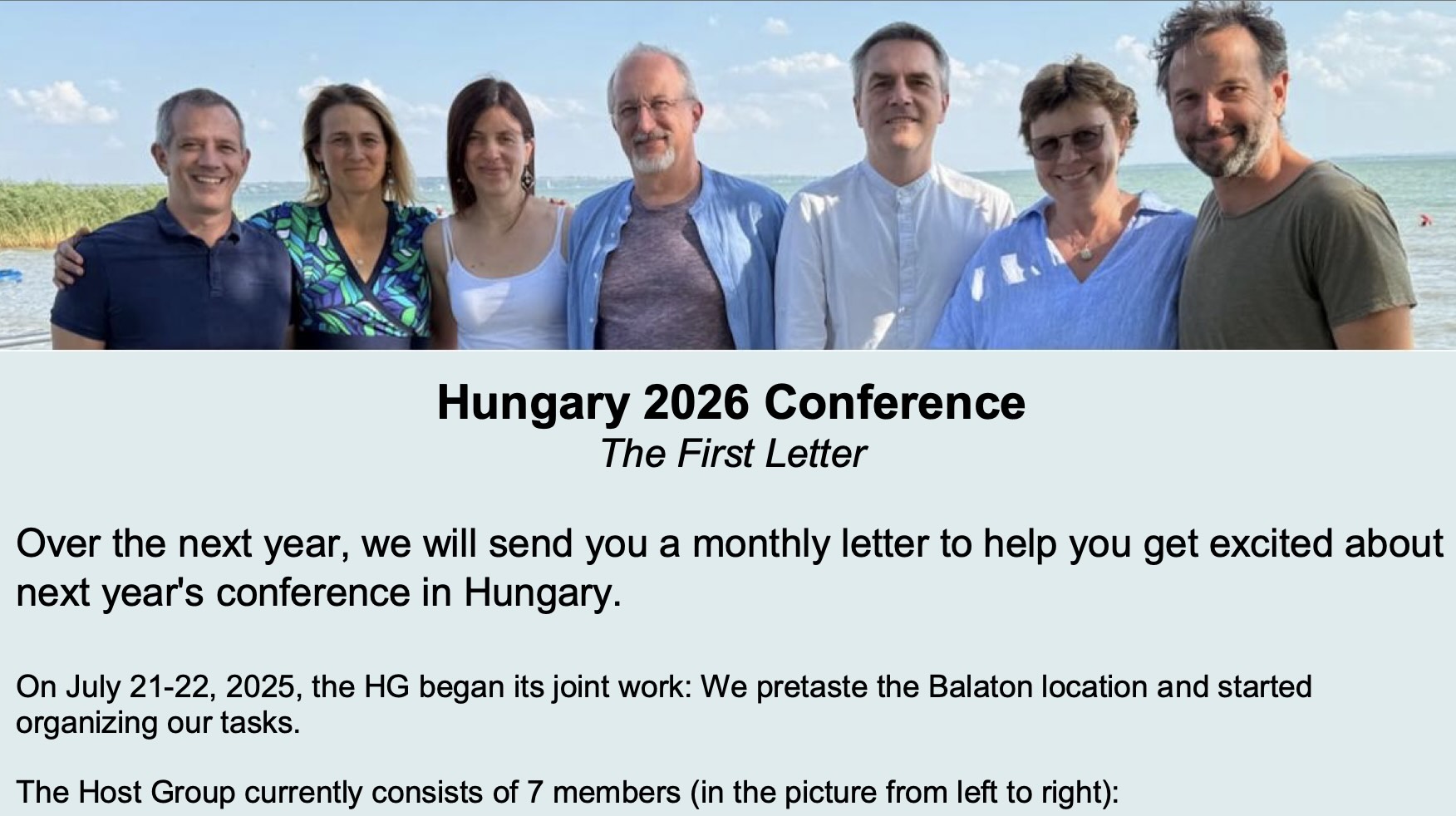
HG Letter 02 – The Middle
The second letter offered a deeper picture of Hungary as a "Middle" – not only geographically, but historically and spiritually – and introduced the region as more than a venue: as a landscape that carries memory, tension, and possibility.
Read Letter
HG Letter 03 – Lievegoed
The third letter unfolded a cultural and historical thread, linking Saint Martin, Theodoric the Great, and Bernard Lievegoed, and pointing to the deeper layers of meaning connected to this region and to our shared work.
Read Letter
HG Letter 04 – Registration
The fourth letter is more practical in nature: registration has opened, and detailed information has been shared about accommodation, fees, travel options, as well as pre- and post-conference possibilities.
Read Letter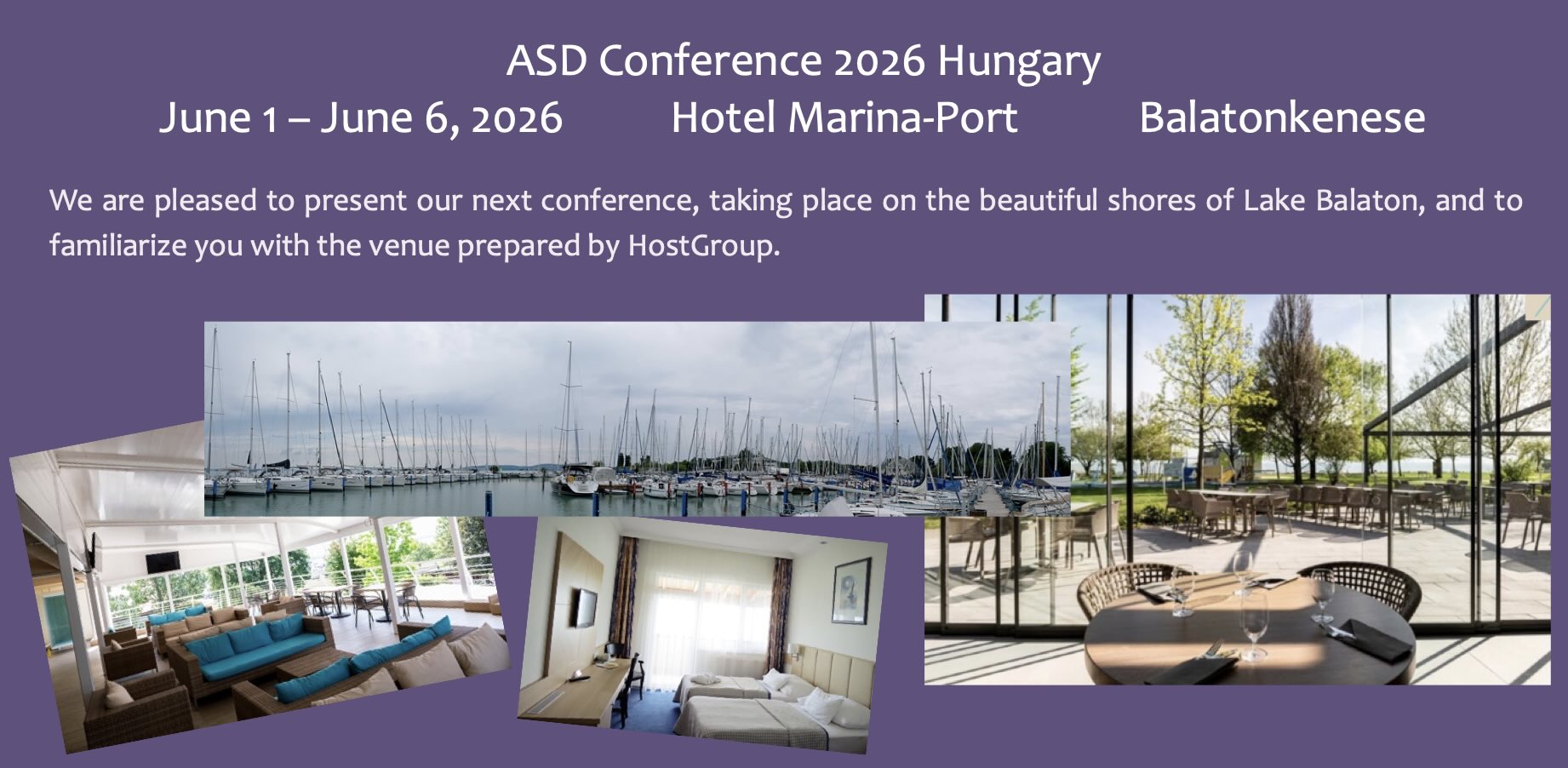
HG Letter 05 – Anthroposophy
This letter shares how Anthroposophy arrived in Hungary and how vibrantly it lives on today – a living stream that continues to inspire and connect people across generations.
Read Letter
HG Letter 06 – Social Evening
The sixth letter invites you to a special social evening – a warm gathering where participants can meet, connect, and enjoy each other's company in a relaxed and friendly atmosphere.
Read Letter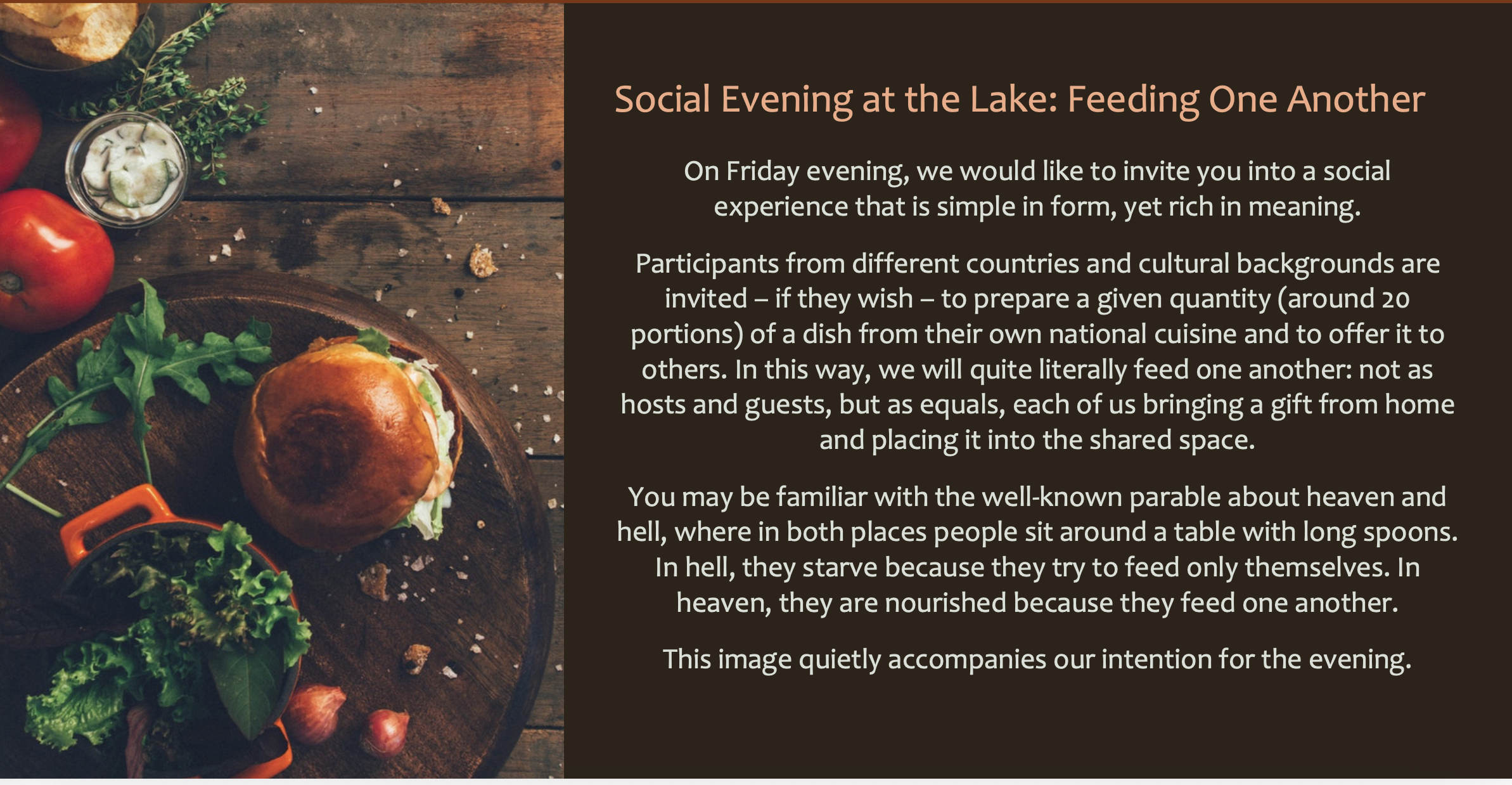
Venue & fees, room sharing channel, and guest/young-people info now live in the archive.
You are very welcome to join us in Hungary!
NextCloud – Our Social Network for the Week
For the week of the conference, NextCloud is our own social network — the place where we share news, updates, photos, calls and ongoing conversations. Please make sure you have access before you arrive.
Participants 2026 Hungary
We have created a dedicated group with all participants already added. This is where the conference conversation lives.
You can also find us in the "HG Announcements Balaton" Talk channel for official questions and updates from the Host Group.
I don't have NextCloud access
If..
- you are a guest
- lost your password
- are not sure which mail you are using for NextCloud
- or need other support
you can request support using this button: